

Introduction: Why AI Content Optimisation Has Fundamentally Changed
AI content optimisation in 2026 is no longer about sprinkling keywords or running content through a single SEO tool. It now sits at the intersection of classic SEO, LLM/GEO optimisation, and Google’s E-E-A-T framework (Experience, Expertise, Authoritativeness, Trust).
Marketers who still treat AI as a shortcut for content production are losing visibility. Meanwhile, brands that combine AI-driven analysis, human experience, strong entities, and structured content are winning both Google rankings and citations inside tools like ChatGPT, Gemini, and Perplexity.
This guide explains what AI content optimisation really means in 2026 — and how to implement it correctly.
What Is AI Content Optimisation in 2026?
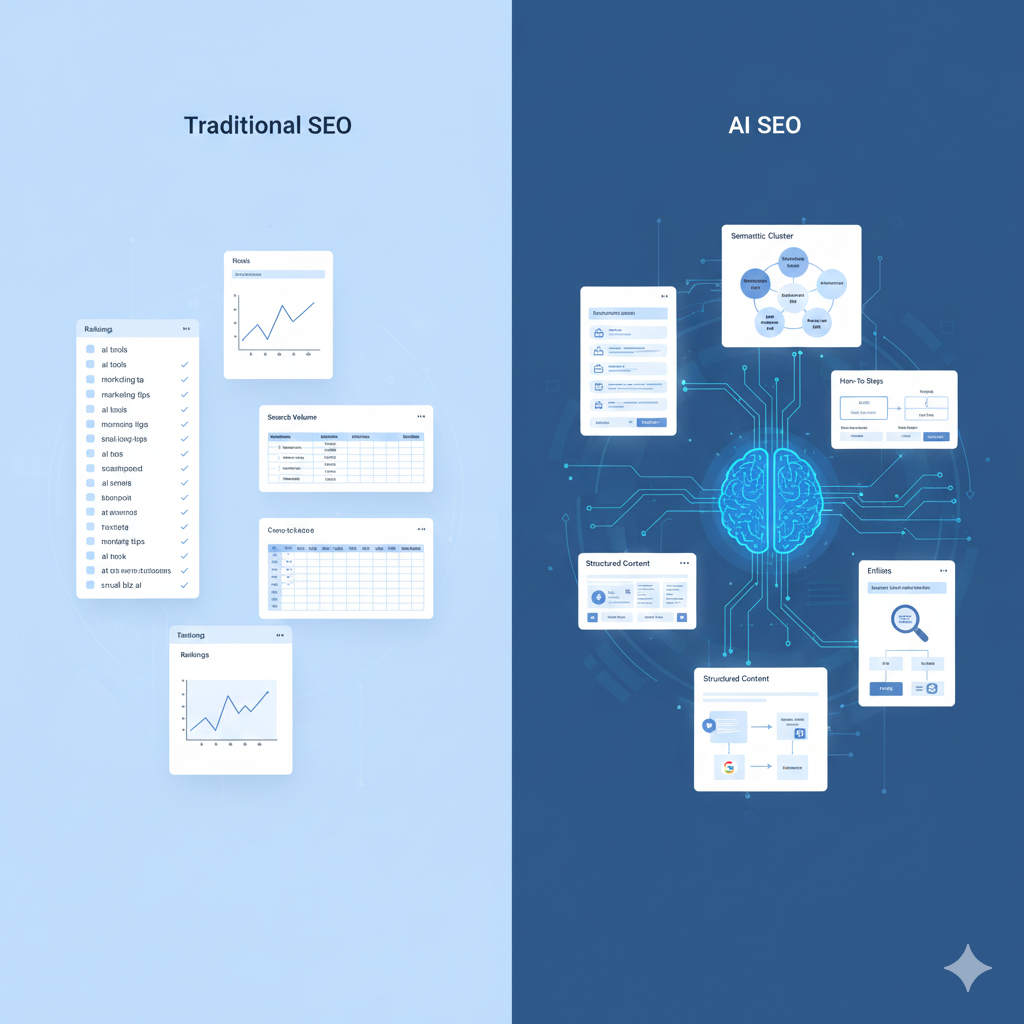
AI content optimisation is the practice of using AI tools and semantic analysis to structure, enrich, and refine content, so it ranks in search engines and is easily cited by large language models like ChatGPT and Gemini.
AI content optimisation is the process of using artificial intelligence to plan, structure, and refine content so it satisfies:
- Search intent (Google SEO)
- Semantic completeness (topical authority)
- Entity recognition (who you are)
- LLM readability and quotability (GEO / AEO)
Unlike traditional SEO strategies, AI optimisation focuses less on exact-match keywords and more on topic coverage, structure, clarity, and credibility.
Tools like NeuronWriter support this by analysing SERPs, competitor coverage, and semantic gaps — but tools alone are not enough.
How AI Content Optimisation Improves Rankings (Beyond Keywords)
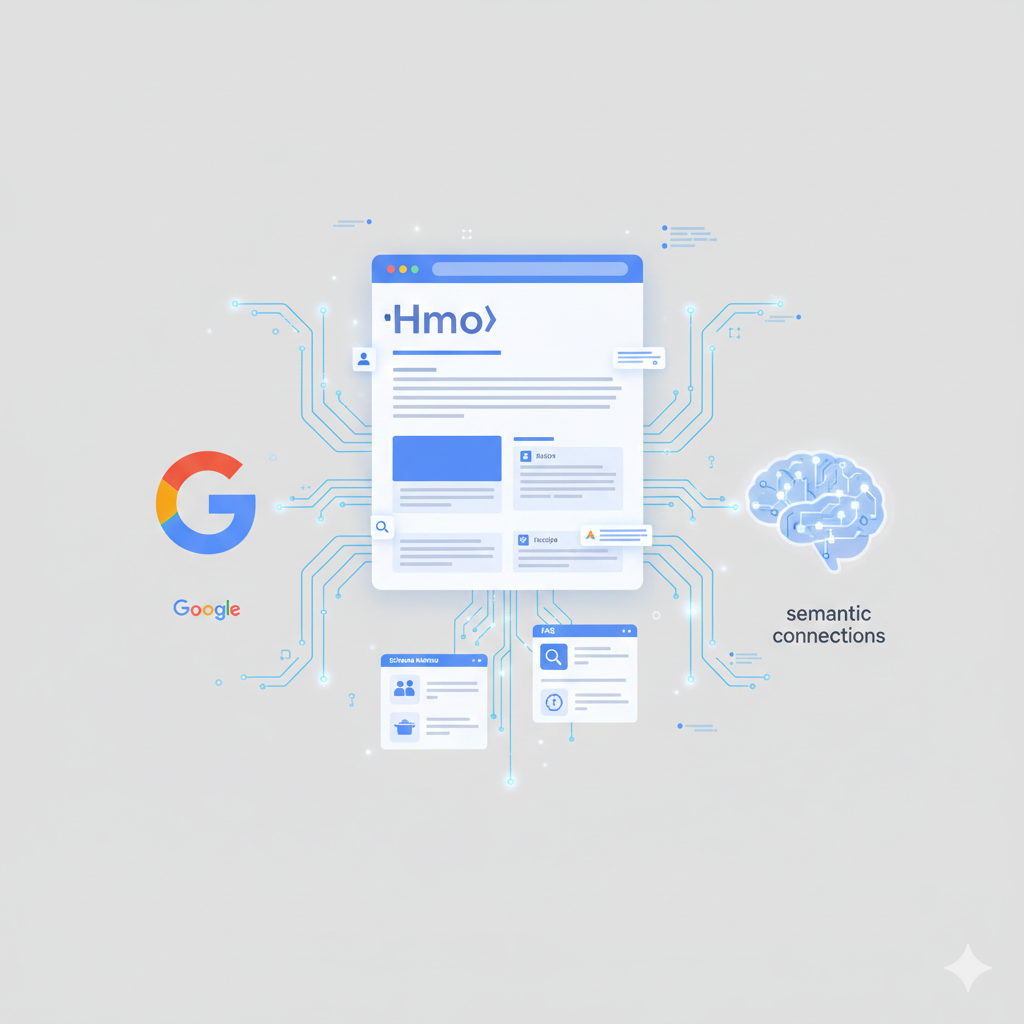
Short answer: It aligns your content with how search engines and LLMs understand information.
AI optimization improves rankings by:
- Identifying missing subtopics and semantic entities competitors’ cover
- Structuring content to mirror top-ranking SERP patterns
- Improving semantic relevance, not keyword density
- Encouraging comprehensive, single-page answers to user intent
This shift explains why long-form, well-structured pages now outperform thin, keyword-stuffed posts — even when AI is used to assist writing.
Real Results: AI Content Optimisation in Action
Client: SaaS company in the project management space
Challenge: Struggling to rank for competitive keywords, content wasn’t being cited by AI tools
Our Approach:
- Conducted AI-powered SERP analysis using Neuron Writer
- Identified 23 missing semantic entities in existing content
- Restructured content with question-based H2S and quotable definitions
- Added author credentials and E-E-A-T signals
- Implemented FAQ and How To schema markup
Results after 12 weeks:
- Average position improved from 18.4 to 6.2 (67% improvement)
- Organic traffic increased 143%
- Content now cited by ChatGPT and Perplexity in 3 tested queries
Why E-E-A-T Is Central to AI Content Optimisation
Google’s late-2025 updates reinforced one thing clearly: content quality is inseparable from content credibility.
AI content optimisation must actively support E-E-A-T signals, not undermine them.
Entity Clarity: Who Is Behind the Content?
Search engines and LLMs increasingly ask:
Who is Thairu Digital, and why should we trust them?
To answer that, optimized content must:
- Clearly define Thairu Digital as a digital marketing and SEO entity
- Use consistent brand naming across pages
- Support Organisation schema and brand mentions
- Link internally to service pages and about pages
Entity clarity helps both Google and LLMs confidently associate expertise with your content.
Author Identity: Real People, Not Anonymous AI
AI-assisted content without authorship is a trust signal loss.
Best practice in 2026:
- Add real author bylines
- Include bios with SEO/AI experience
- Link to LinkedIn or portfolios
- Keep author pages indexed and consistent
LLMs strongly prefer citing content written by identifiable experts rather than generic blogs.
Experience Evidence:
AI content optimization fails when it’s purely theoretical.
High-trust content includes:
- “What we actually did” sections
- Campaign examples or workflows
- Screenshots, audits, or before/after explanations
- First-hand implementation insights
This is where human experience becomes irreplaceable — and why AI must support, not replace, expertise.
How AI Content Optimisation Impacts LLM Visibility (GEO / AEO)

Ranking in Google is no longer the only goal. In 2026, visibility inside AI matters just as much.
This emerging discipline is called Generative Engine Optimisation (GEO) or AI Engine Optimisation (AEO).
What LLMs Look For
LLMs prioritise:
- Clear definitions
- Self-contained explanations
- Logical structure
- Entity consistency
- Answer-ready formatting
If your page requires multiple sources to answer one question, an LLM is unlikely to cite it.
Front-Loaded, Quotable Answers
One critical GEO tactic is adding 40–60-word direct answers immediately after key headings.
Example:
AI content optimisation is the practice of using AI tools and semantic analysis to structure, enrich, and refine content, so it ranks in search engines and is easily cited by large language models like ChatGPT and Gemini.
This makes your content easy to quote verbatim.
Question-Based Headings for LLM Prompts
LLMs are trained on questions. Your headings should reflect that.
Instead of:
“Benefits of AI Content Optimisation”
Use:
“How does AI content optimisation improve search rankings?”
This increases alignment with conversational AI queries
Structural & Schema Enhancements That Matter in 2026
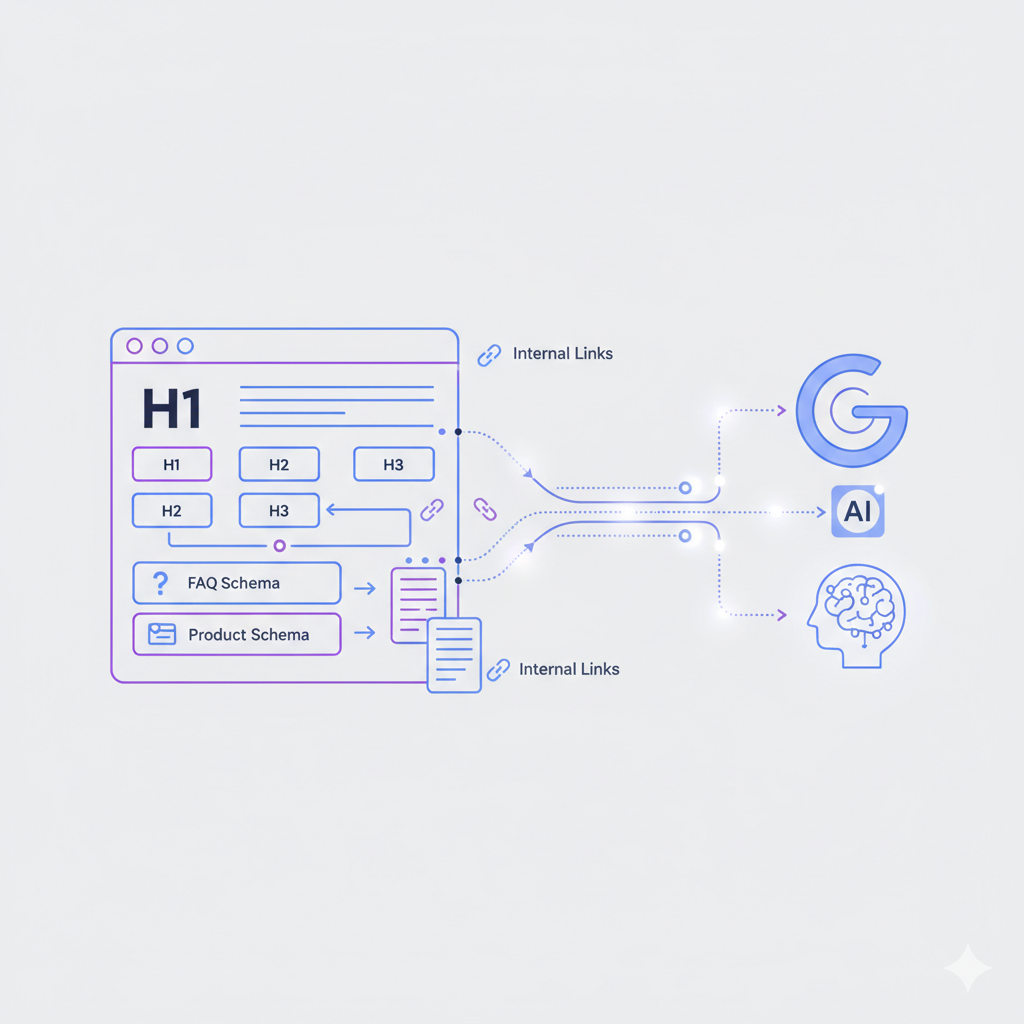
Structure is now a ranking factor — not just UX.
Heading Hierarchy
- One H1 (page topic)
- H2 for each major question
- H3 for supporting explanations
- Front-load important phrases like AI content optimization
Schema Markup for AI & SEO
Recommended schema:
- Article schema (author, date published, date modified) — see schema implementation guide
- FAQ schema for AI/SEO questions
- How To schema for optimisation workflows
- Organization & Person schema site-wide
Structured data helps LLMs parse entities, processes, and answers faster than raw text.
Technical Checklist for AI-Ready Pages
AI content optimisation also includes technical hygiene:
- Clean, readable HTML
- Fast load times (Core Web Vitals)
- Mobile-first design
- Descriptive image alt text
- Crawlable internal links
- Clear robots.txt and sitemap access for AI crawlers
Without these, even great content struggles to surface.
Freshness, Original Data, and Multimodal Content
AI systems value current, specific, and original information.
Freshness Signals
- Visible “Last updated” dates
- Regular content refreshes
- New examples and tools are added quarterly
Original Data Beats Generic Stats
Whenever possible:
- Include internal results
- Share CTR improvements
- Mention ranking lifts from AI optimisation
LLMs trust specific, attributed data more than recycled vendor statistics.
Multimodal Optimization
Modern AI systems also ingest visuals:
- Diagrams
- Comparison tables
- Short explainer videos
- Screenshots with captions
Always use descriptive alt text and captions for visual comprehension.
AI Content Optimisation vs Traditional SEO (Quick Comparison)
| Aspect | Traditional SEO | AI Content Optimization |
| Focus | Keyword density | Semantic & entity focus |
| Scope | Page-by-page | Topic authority clusters |
| Goal | Rankings only | Rankings + AI citations |
| Content Depth | Thin, keyword-focused | Self-contained & comprehensive |
| Attribution | Anonymous blogs | Real authors with experience |
| Tools | Basic keyword research | AI-powered SERP analysis |
| Timeline | 3-6 months for results | 8-12 weeks for measurable lift |
How Thairu Digital Implements AI Content Optimisation
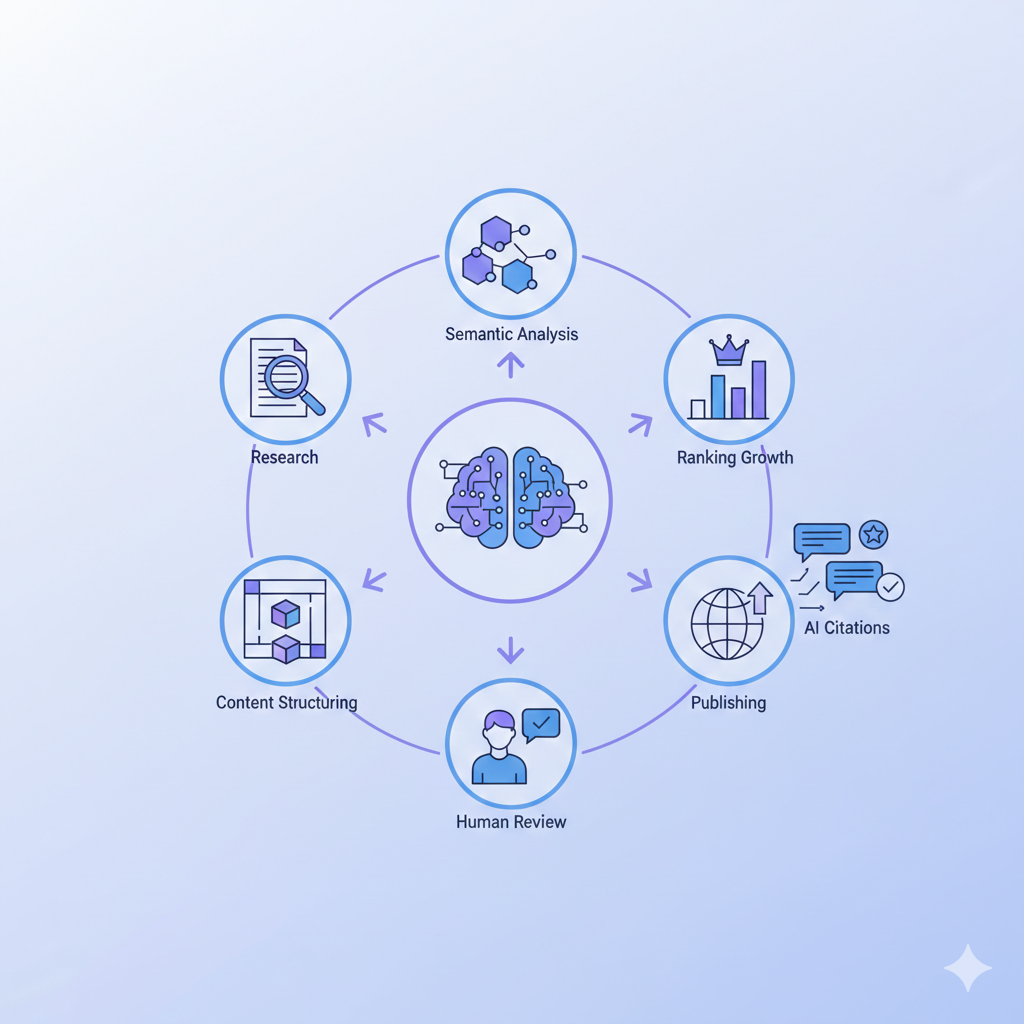
At Thairu Digital, AI content optimization is a system — not a shortcut.
We:
- Use tools like Neuron Writer for SERP and semantic analysis
- Build human-reviewed content briefs
- Strengthen entity and author signals
- Apply schema and structural optimisation
- Optimise for both Google rankings and LLM citations
�� Learn more about our Content Strategy & AI SEO Solutions
Frequently Asked Questions About AI Content Optimisation
What is AI content optimisation?
AI content optimisation is the practice of using artificial intelligence tools and semantic analysis to plan, structure, and refine content so it ranks in search engines like Google and is easily cited by large language models like ChatGPT, Gemini, and Perplexity. It focuses on topic coverage, structure, clarity, and credibility rather than exact-match keywords.
How does AI content optimisation differ from traditional SEO?
Traditional SEO focuses on keyword density and page-by-page optimisation for rankings only. AI content optimization emphasizes semantic and entity focus, topic authority across content clusters, optimisation for both search rankings and AI citations, self-contained depth rather than thin content, and real author attribution with demonstrated experience. It’s a more holistic, credibility-focused approach.
Which AI tools are best for content optimisation?
Popular AI content optimisation tools include Neuron Writer for SERP analysis and semantic gaps, Clear scope for content scoring, Surfer SEO for on-page optimisation, Frase for content briefs, and Market Muse for topic authority mapping. However, tools alone aren’t enough—they must be combined with human expertise, original research, and strong E-E-A-T signals to be effective.
What is GEO (Generative Engine Optimisation)?
GEO, or Generative Engine Optimisation, is the practice of optimising content to be cited and referenced by AI language models like ChatGPT, Gemini, Claude, and Perplexity. It involves creating quotable definitions, using question-based headings, maintaining entity consistency, and structuring content so LLMs can easily extract and cite information. GEO is becoming as important as traditional SEO in 2016.
How long does it take to see results from AI content optimisation?
Results vary based on domain authority, competition, and content quality, but typically you can expect to see initial improvements in 8-12 weeks. Ranking improvements often appear first, followed by increased organic traffic. LLM citations may take longer (12-16 weeks) as AI models update their knowledge bases. Consistent optimisation and regular content refreshes accelerate results.
Does AI-generated content hurt SEO?
AI-generated content itself doesn’t hurt SEO if it’s high-quality, factually accurate, and demonstrates E-E-A-T. Google’s guidelines state that helpful content created for people is acceptable regardless of how it’s produced. However, purely AI-written content without human review, expertise, or original insights typically underperforms. The winning approach combines AI efficiency with human experience and authority.
What schema markup is most important for AI content optimisation?
The most important schema types for AI content optimisation are Article schema (with author, date published, and date modified), FAQ schema for common questions, How To schema for process-based content, Organisation schema for brand entity recognition, and Person schema for author profiles. This structured data helps both search engines and LLMs understand your content’s context, authorship, and credibility more effectively.
Final Thoughts: The Real Future of AI Content Optimisation
AI content optimisation in 2026 is about trust, structure, and clarity — not automation alone.
The brands that win will be those that:
- Use AI intelligently
- Demonstrate real expertise
- Build strong entities
Write content that LLMs can confidently reuse
AI doesn’t replace authority.
It amplifies it — if you earn it.